09 71 05 71 64 |
  contact@classpark.fr


Facial recognition at Roissy-Charles-de-Gaulle Airport: towards a revolution in the passenger journey
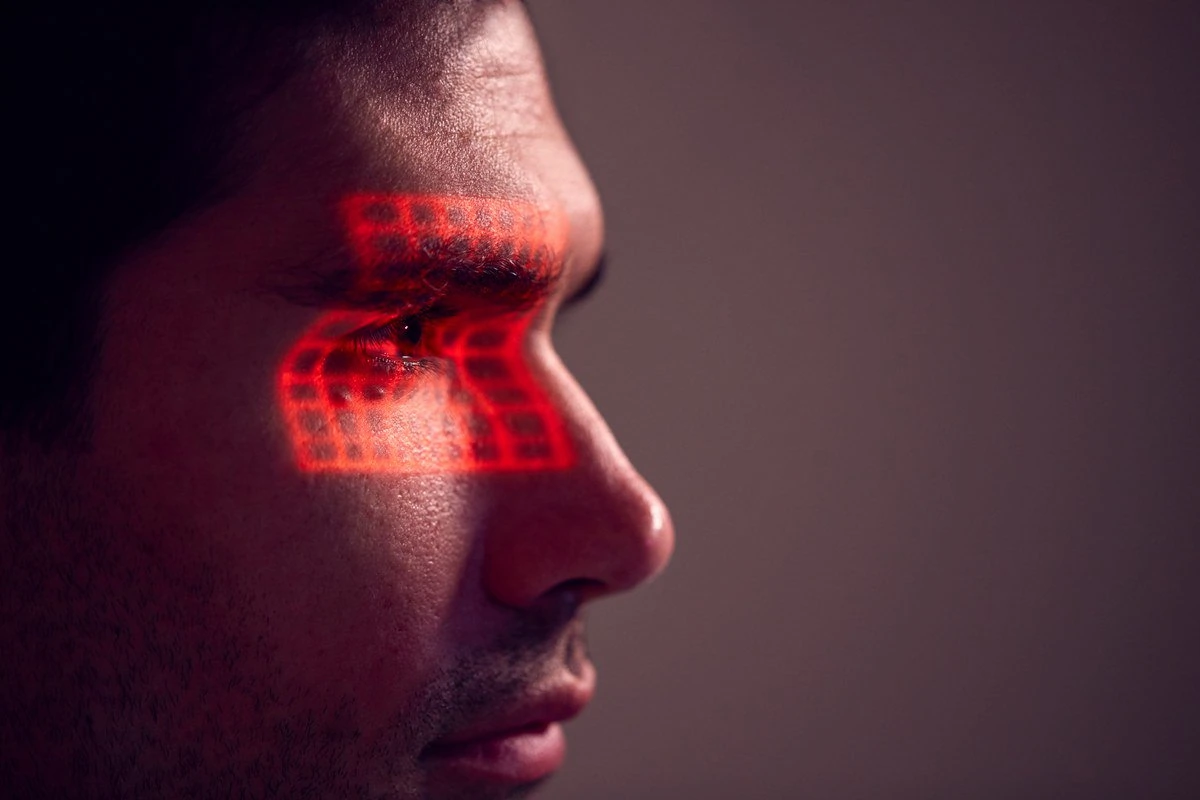
Roissy–Charles–de–Gaulle Airport is introducing facial recognition to streamline the passenger journey. This biometric system verifies a passenger’s identity in a matter of seconds. Straddling the line between increased efficiency and respect for individual freedoms, this technology raises a number of issues. An overview of the principles, benefits and limitations of an innovation set to redefine the airport experience.
The basics of facial recognition at Roissy
The early days of the experiment
Since 2016, Roissy is trialling facial recognition in high-traffic areas. Checkpoints fitted with cameras analyse facial features to enable automated access. These trials have gradually confirmed the system’s effectiveness in terms of speed and security.
Technical operation and algorithms
The technology is based on artificial intelligence algorithms that compare facial biometric data with that on the passport. Once identification has been verified, the door opens automatically. The system is optimised to recognise faces despite variations in lighting, age or accessories.
Profiles and terms of use
This service is available only to adult passengers holding a biometric passport issued by an EU country or a partner country (Switzerland, Iceland, Norway, etc.). In accordance with the GDPR, the data collected is deleted after use, ensuring that it is processed in a manner that respects privacy.
The impacts and challenges of the roll-out
Improving operational efficiency
The system enables a large number of passengers to be processed quickly, significantly reducing queues. It also frees up time for security staff, who can then focus on more specific surveillance tasks.
Improving safety and reducing errors
Facial recognition enhances the reliability of checks and minimises human error. It also makes it easier to identify wanted individuals, thereby improving the response capability of the security services.
Legal challenges and ethical issues
The processing of biometric data raises fundamental questions about privacy. The CNIL requires that the data be deleted immediately, without being stored. Furthermore, algorithmic biases may exist, raising concerns about the fairness of the system.
Towards sustainable implementation: future prospects and challenges
Developments in airport infrastructure
The widespread adoption of facial recognition could transform check-in counters: shorter queues and a smoother experience. However, this would require significant investment in technology and staff training.
The international dimension and security cooperation
As a global hub, Roissy plays a key role in sharing information with other countries. This security cooperation must be accompanied by strict legal safeguards to protect passengers’ rights.
Future innovations and adaptations
Advances in AI and multimodal recognition (voice, fingerprints, iris) will further improve the system’s accuracy. These innovations are designed to enhance security whilst making the passenger journey more seamless.
At Roissy, facial recognition marks a major step towards a smoother and more secure airport. Whilst it saves time and optimises the use of staff, its roll-out requires constant vigilance regarding data protection and ethical considerations.
By combining technological innovation, strict regulation and international cooperation, this technology could well become the new standard at airports around the world.